Moving With Living Green: Your Plants, Protected
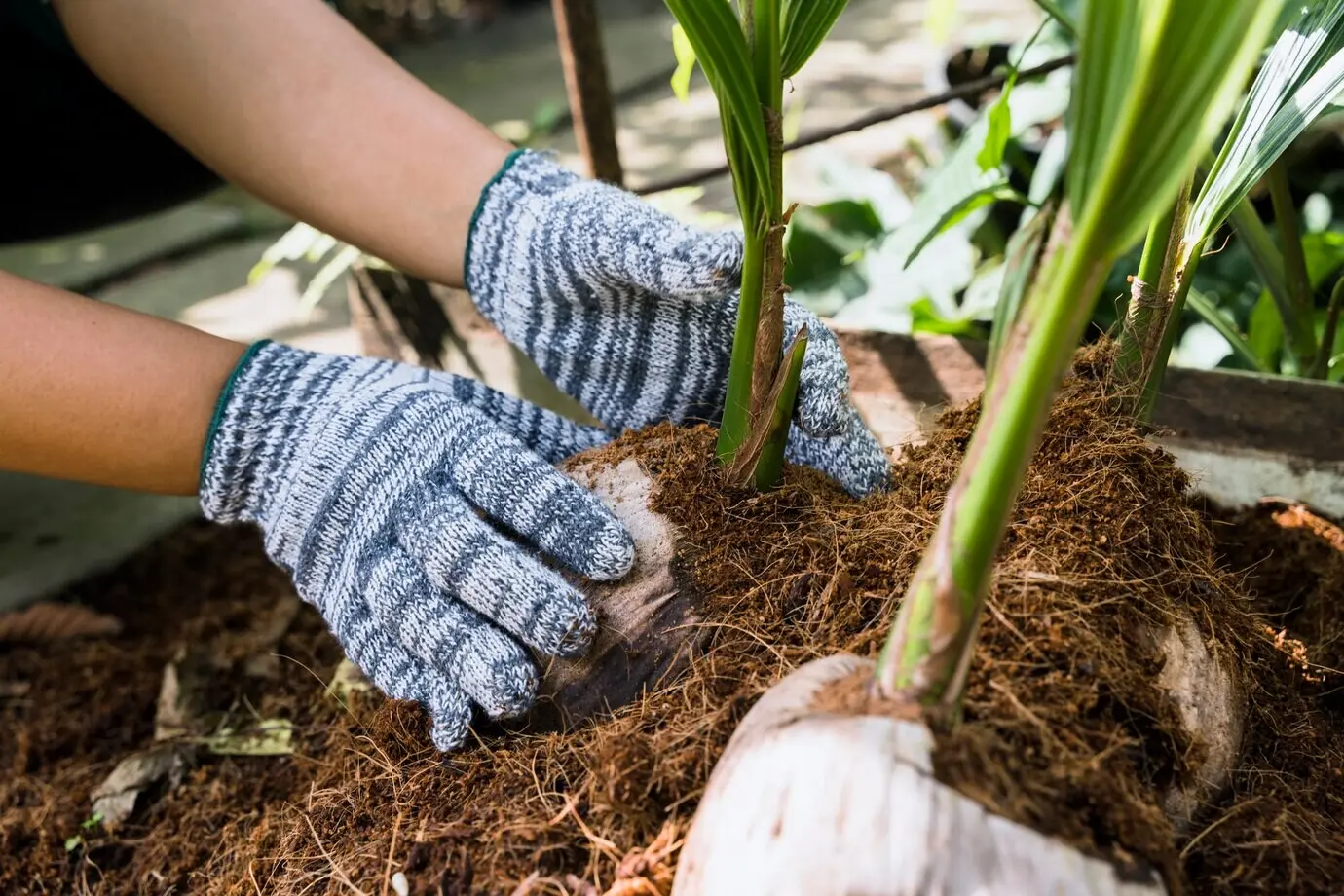
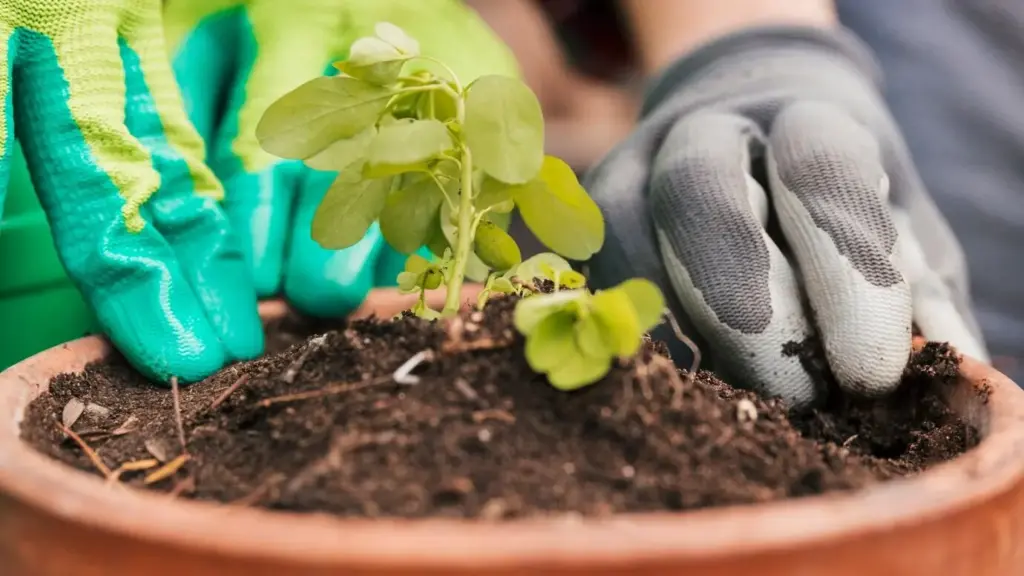
Today we dive into transplanting and transporting garden plants safely during a move, guiding you from pre-dig preparation to confident replanting. Expect practical timelines, gentle handling strategies, and real stories that reduce anxiety. Share your experiences, subscribe for future guides, and help fellow gardeners keep their living collections thriving through every mile.

Preparing Roots and Soil Before the Big Day

Preparation begins weeks ahead, when roots can be conditioned for a smoother transition and soil moisture balanced for travel. Light pruning, labeling, and a realistic inventory help you prioritize what truly matters. With calm planning and tidy tools, you can protect structure, conserve energy, and set each plant up for a resilient new start.

Assessing Plant Readiness

Look closely at vigor, season, and growth stage before lifting anything. Dormant woody shrubs usually travel best, while tender annuals may be better gifted to friends. Check for disease or pests, remove weak growth, and photograph current placement and light exposure. Honest assessment prevents heartbreak and concentrates effort on plants likeliest to flourish after the journey.

Watering Schedule for Resilience

Hydrate deeply twenty four to forty eight hours before digging so root balls hold together without becoming soggy. Aim for evenly moist, not heavy or dripping, to limit breakage and rot. Pause fertilizer to prevent tender new growth. Consider a light anti transpirant only for sensitive evergreens, and always test on a small leaf section first.


Timing, Weather, and Seasonality

Choose windows that lower stress, favoring cool mornings, overcast skies, and shoulder seasons. Delay during heat waves, hard freezes, or high winds that desiccate foliage and loosen root balls. Plan the route to avoid hours in blazing traffic. When weather refuses to cooperate, partial staging and shade cloth can buy precious time and reduce shock.

Uprooting Without Trauma: Tools and Techniques

A clean cut is kinder than a jagged tear. Sharpen spades, sanitize pruners, and trench wide to preserve feeder roots. Lift with a firm cradle, not by stems. Wrap immediately, keep shade nearby, and hydrate thoughtfully. Gentle, deliberate moves protect structure and dramatically improve recovery in unfamiliar soil and changing light patterns.

Packing and Transport: From Car to Climate-Control

{{SECTION_SUBTITLE}}
Securing Pots in Vehicles
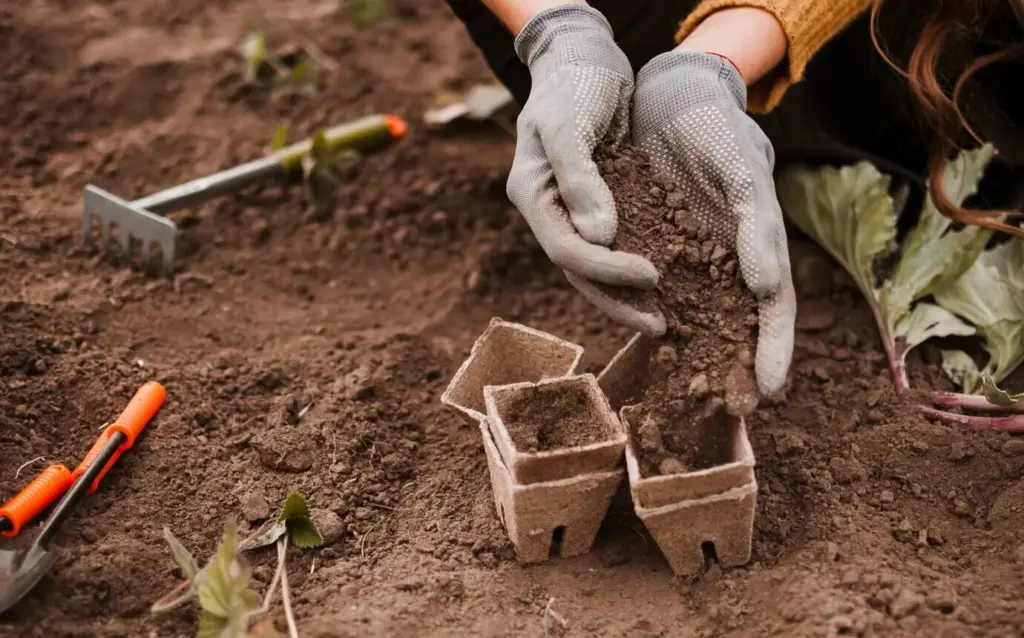
Nest pots in crates, snug between towels or paper rolls, and strap to anchor points. Keep heavy containers low and forward for balance. Avoid stacking living foliage. Place a tarp to catch soil spills and prevent slipping. Check after the first turn and first stop, tightening everything before real miles and bumps begin accumulating.

Ventilation and Temperature Control

Keep plants in the main cabin whenever possible, where temperature is regulated. Avoid sealed trunks that heat rapidly or chill unpredictably. Crack windows slightly for airflow while preventing drafts. Aim for moderate conditions, steering clear of extremes. If you must pause, park in shade, and quickly inspect for heat stress, condensation, or sudden tender leaf droop.

Arrival and Replanting: Acclimation that Sticks

Hardening-Off After the Drive

Even sun lovers benefit from a gentle ramp back to full light. Start with dappled shade, then step into morning sun and finally long afternoons. Wind protection reduces transpirational stress while roots anchor. Observe leaves daily. Incremental exposure prevents scorch, encourages steady transpiration, and helps plants rebuild confidence before facing your site’s strongest conditions.

Soil Matching and Amendments

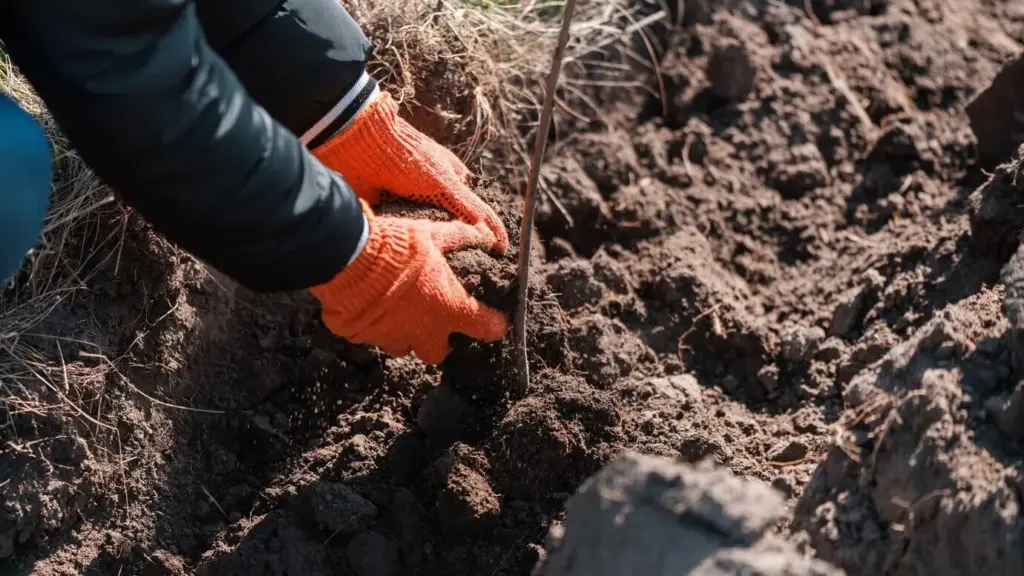
Compare texture and pH between old and new sites. Avoid over amending the planting hole, which can trap roots. Mix in limited organic matter if needed, then backfill primarily with native soil to encourage outward growth. Water to settle, not drown. A two to three inch mulch ring moderates temperature and protects fragile new root hairs.

Watering and Aftercare Schedule

Deliver a deep soaking immediately after planting, then monitor moisture with your fingers before repeating. Aim for consistent, not constant, hydration. Keep mulch away from stems, watch for settling, and stake only if necessary. Hold fertilizer four to six weeks. Weekly inspections catch pests, wind rock, or scorch early, preserving momentum during the crucial establishment period.

Stories, Lessons, and Community Tips

Experiences make guidance memorable, and your voice can help someone else succeed. We gather small victories, near misses, and clever improvisations that saved roots, blooms, and treasured heirlooms. Add your insights, subscribe for new checklists, and help build a supportive circle of gardeners who move with confidence and compassion for living companions.

A Backyard Rose That Survived Two States

A heritage rose rode three hundred miles wrapped in damp burlap inside a ventilated crate. Morning shade stops, gentle misting, and a cool cabin kept it calm. Replanted slightly higher on a mound with mulch, it leafed out, budded modestly that fall, and rewarded patience with fragrant, abundant blooms the following spring.

Common Mistakes to Avoid

Do not leave plants in a hot trunk, drown root balls, or fertilize immediately after transplant. Avoid digging too small or planting too deep. Forgetting labels causes sun mismatches later. Rushing leads to snapped stems and lost vigor. Slowing down, observing, and prioritizing sensitive specimens prevents stress that is harder to fix afterward.

Torunizilupemu
Privacy Overview

This website uses cookies so that we can provide you with the best user experience possible. Cookie information is stored in your browser and performs functions such as recognising you when you return to our website and helping our team to understand which sections of the website you find most interesting and useful.