Move Greener, Lighter, and Kinder to the Planet

Today we dive into Eco-Friendly Moving: Reuse, Donate, and Recycle Household and Yard Items, transforming the packing rush into a purposeful, feel-good mission. Expect practical checklists, stories from real moves, and smart shortcuts that keep materials in circulation, help neighbors, and protect local ecosystems. Share your experiences, ask questions, and subscribe for more grounded guidance as you plan your next responsible transition.

Planning a Waste-Smart Move

Good planning turns decluttering into impact. Start with a clear inventory, schedule donation pickups before moving day, and map recycling drop-offs for tricky items like electronics, paint, or scrap metal. Build buffer time for cleaning and repairs, involve neighbors through a mini swap, and document what gets diverted. You’ll reduce stress, cut costs, and shrink your move’s footprint while supporting organizations that redistribute household goods responsibly.

Packing With What You Already Own

Swap plastic wrap and foam for towels, sweaters, and linens, stuffing glasses and wrapping plates tightly. Use lidded containers for hardware, jars for screws, and toolboxes for delicate cords. Label cloth with painter’s tape, then wash and fold everything into new storage roles afterward.

Yard and Garden Reinventions

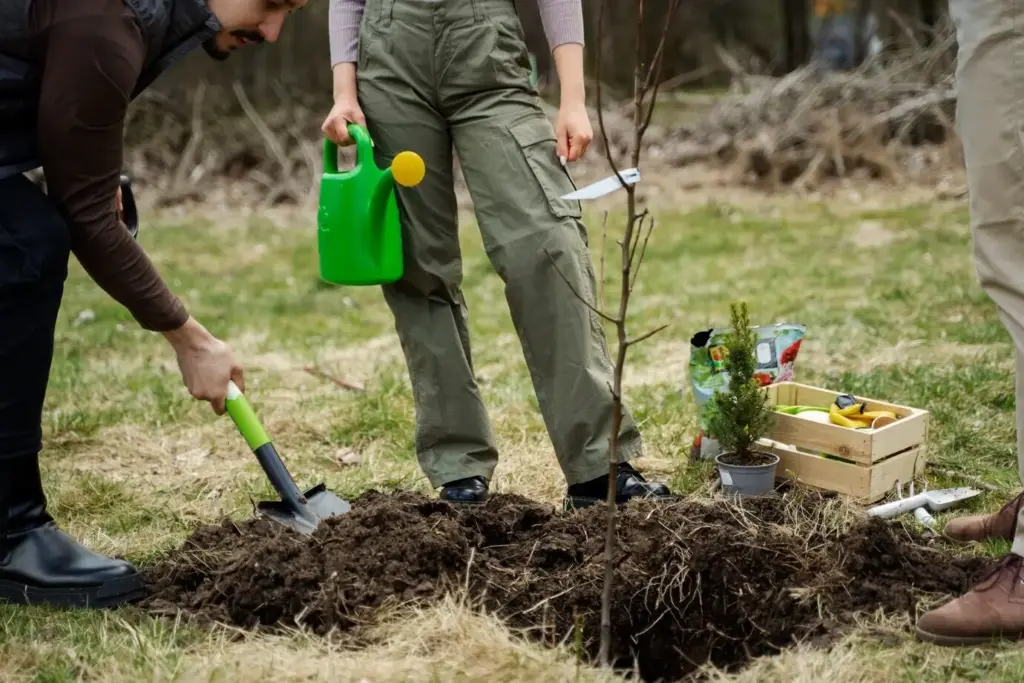
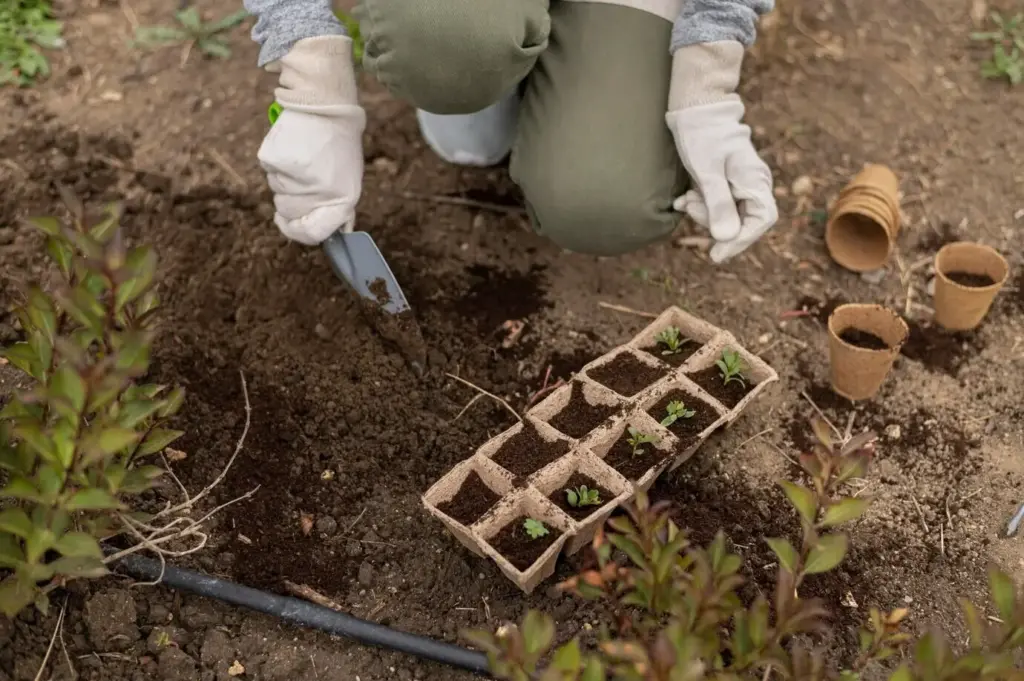
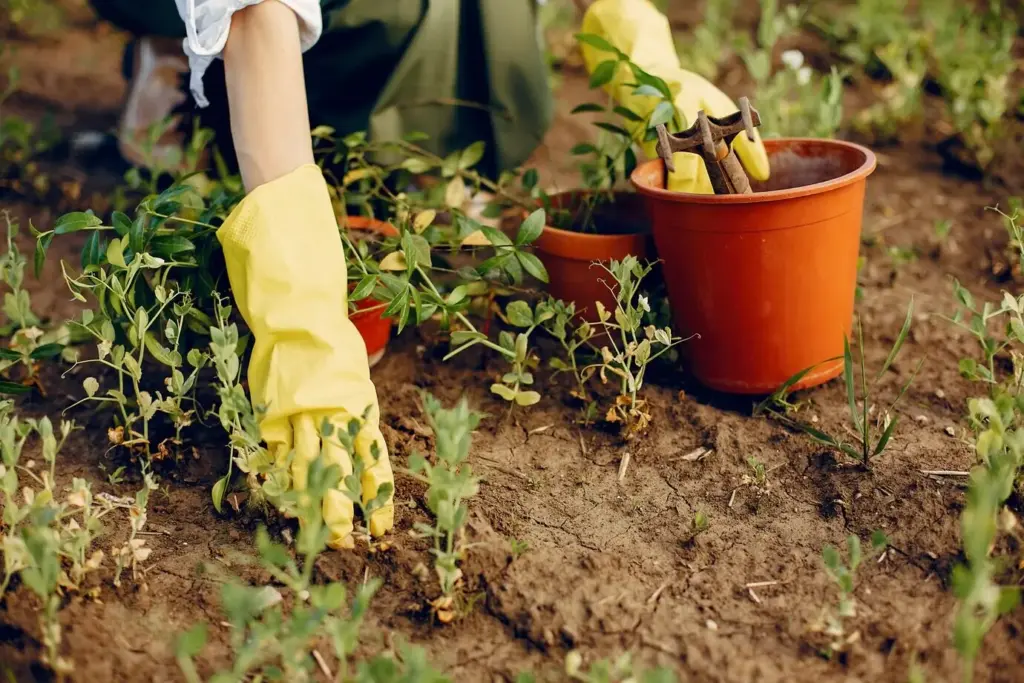
Repurpose nursery pots as sorting bins, convert pruned branches into protective spacers, and reuse sturdy tarps to drag heavy loads safely. Mulch bags carry soft goods, while compostable bags hold leaf litter. These quick switches protect plants, prevent waste, and simplify outdoor packing during unpredictable weather.

Designing Reusable Systems

Standardize container sizes, color-code categories, and create a return loop for borrowed totes and blankets. Share a checklist with helpers to keep materials circulating. After move-in, reassign bins to pantry, garage, or garden storage, reinforcing habits that favor longevity over single-use conveniences.
Donating with Impact and Dignity

Thoughtful giving extends value while respecting recipients. Understand condition standards, seasonal needs, and pick‑up schedules for furniture, tools, and yard equipment. Clean, repair, and bundle items to make distribution easier. Keep a simple log for receipts and reflections, celebrating the stories your belongings begin in new homes.

Recycling the Right Way, Without Wish-Cycling

Responsible sorting keeps material streams viable. Learn your municipality’s accepted plastics by number, cardboard rules, scrap metal options, and glass policies. Use take‑back programs for batteries, bulbs, and electronics. When uncertain, check the database instead of guessing, because contamination can derail entire loads and waste everyone’s efforts.

Yard and Outdoor Items: Responsible Transitions

{{SECTION_SUBTITLE}}

From Tools to Treasures

Sharpen blades, oil hinges, and pair each tool with its sheath or storage hook. Bundle duplicates for donation to community gardens or tool libraries. Clear labeling helps new owners start projects immediately, preventing rust, misplacement, and the all-too-common purchase of replacements that weren’t truly necessary.

Plants, Soil, and Invasive Risks

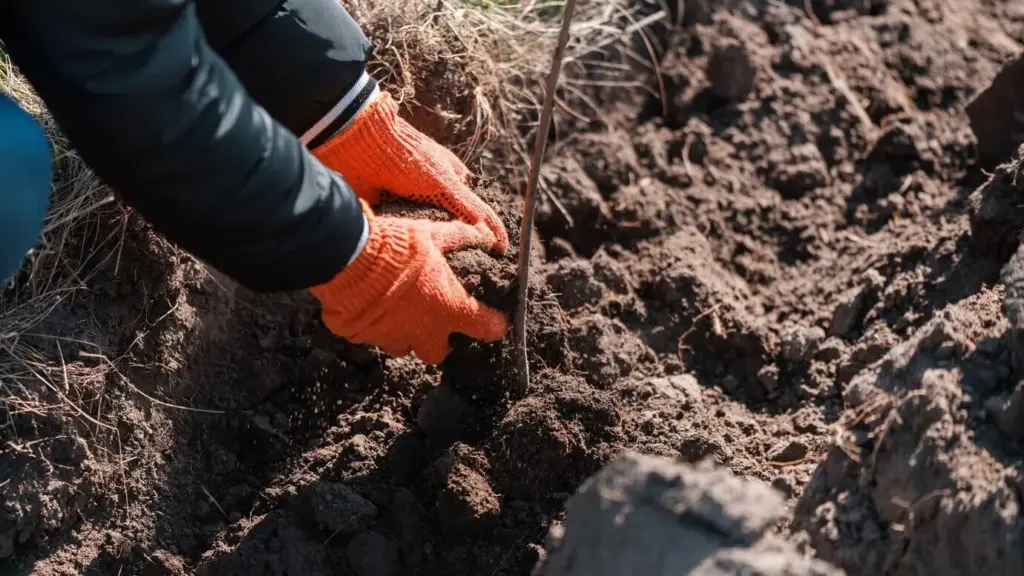
Before relocating plants, review regional restrictions and check for hitchhikers like jumping worms or invasive weeds. Shake soil gently, use clean pots, and quarantine upon arrival. Share cuttings with neighbors when relocation is risky. Healthy exchanges protect biodiversity and keep community landscapes resilient and thriving.

Community Connections and Circular Economy Wins

Moving can spark generosity and resource sharing across a neighborhood. Host a curbside free table, post in Buy Nothing groups, and coordinate with local nonprofits for pickups. Track what you diverted and celebrate milestones. Invite readers to comment, ask questions, and subscribe to keep momentum growing together.
Torunizilupemu
Privacy Overview

This website uses cookies so that we can provide you with the best user experience possible. Cookie information is stored in your browser and performs functions such as recognising you when you return to our website and helping our team to understand which sections of the website you find most interesting and useful.