Moving With Living Green: Your Plants, Protected
Preparing Roots and Soil Before the Big Day
Assessing Plant Readiness
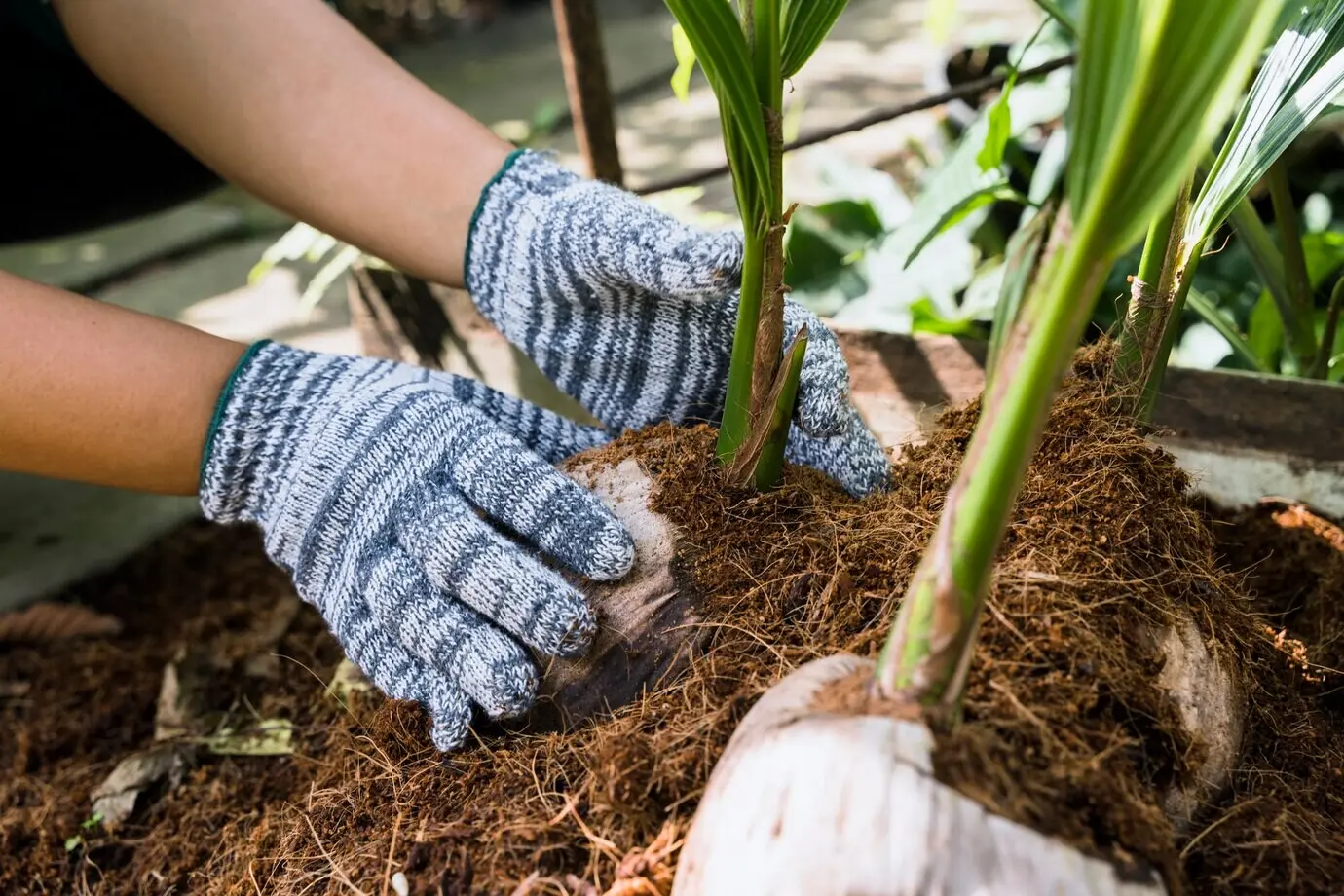
Look closely at vigor, season, and growth stage before lifting anything. Dormant woody shrubs usually travel best, while tender annuals may be better gifted to friends. Check for disease or pests, remove weak growth, and photograph current placement and light exposure. Honest assessment prevents heartbreak and concentrates effort on plants likeliest to flourish after the journey.
Watering Schedule for Resilience
Hydrate deeply twenty four to forty eight hours before digging so root balls hold together without becoming soggy. Aim for evenly moist, not heavy or dripping, to limit breakage and rot. Pause fertilizer to prevent tender new growth. Consider a light anti transpirant only for sensitive evergreens, and always test on a small leaf section first.


Timing, Weather, and Seasonality
Uprooting Without Trauma: Tools and Techniques
Packing and Transport: From Car to Climate-Control
{{SECTION_SUBTITLE}}
Securing Pots in Vehicles
Ventilation and Temperature Control
Arrival and Replanting: Acclimation that Sticks

Hardening-Off After the Drive
Soil Matching and Amendments
Watering and Aftercare Schedule
Stories, Lessons, and Community Tips
A Backyard Rose That Survived Two States
A heritage rose rode three hundred miles wrapped in damp burlap inside a ventilated crate. Morning shade stops, gentle misting, and a cool cabin kept it calm. Replanted slightly higher on a mound with mulch, it leafed out, budded modestly that fall, and rewarded patience with fragrant, abundant blooms the following spring.
Common Mistakes to Avoid
Do not leave plants in a hot trunk, drown root balls, or fertilize immediately after transplant. Avoid digging too small or planting too deep. Forgetting labels causes sun mismatches later. Rushing leads to snapped stems and lost vigor. Slowing down, observing, and prioritizing sensitive specimens prevents stress that is harder to fix afterward.
All Rights Reserved.